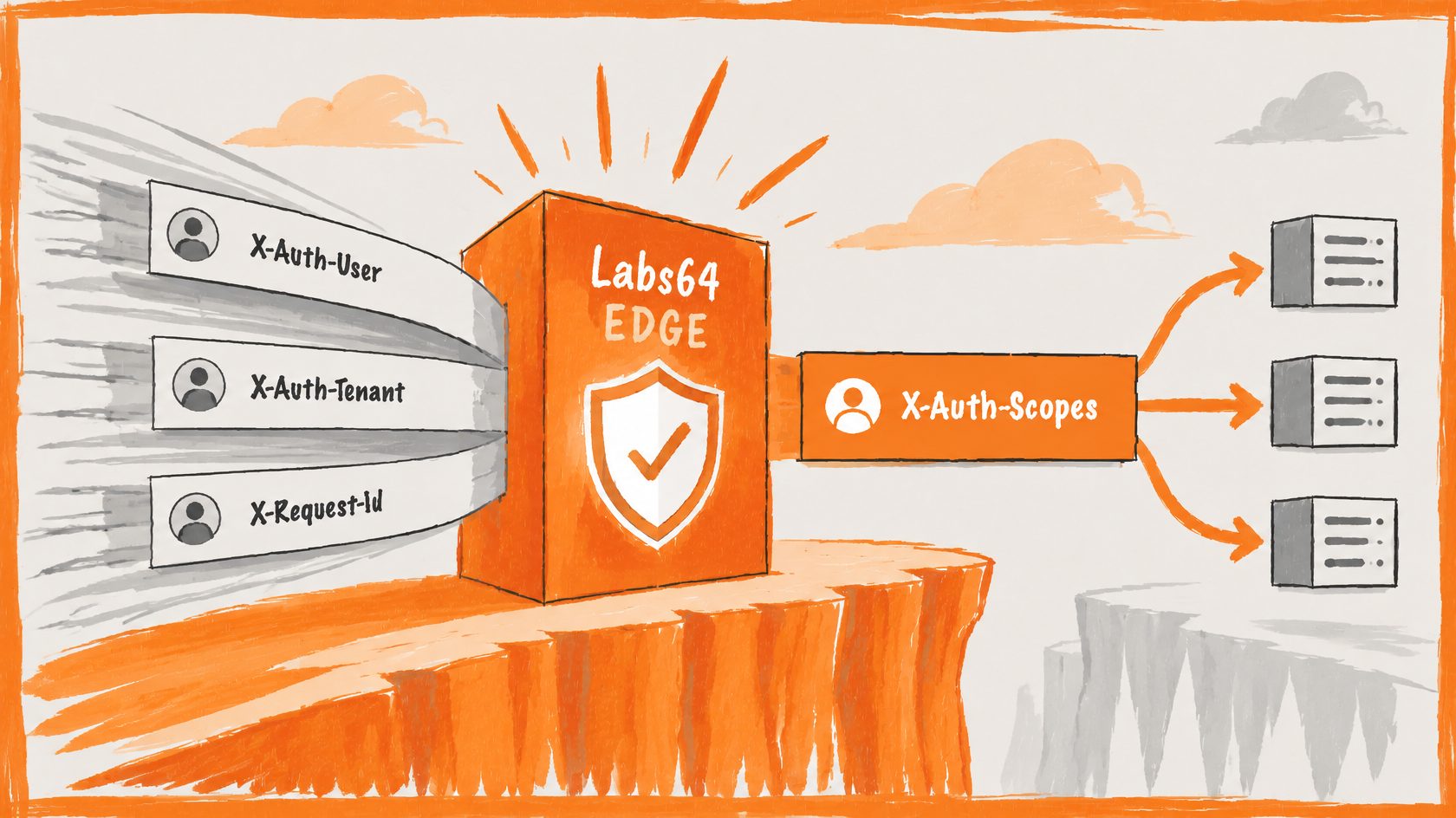
Verify once at the edge: the trusted identity header contract
In a microservice platform, every service needs to know who is calling. The obvious answer is to let each service validate the caller’s JWT. But token validation is security-critical code: fetching signing keys, handling key rotation, clock skew, caching. Copy it into every service, in every language, and you have many chances to get it subtly wrong.
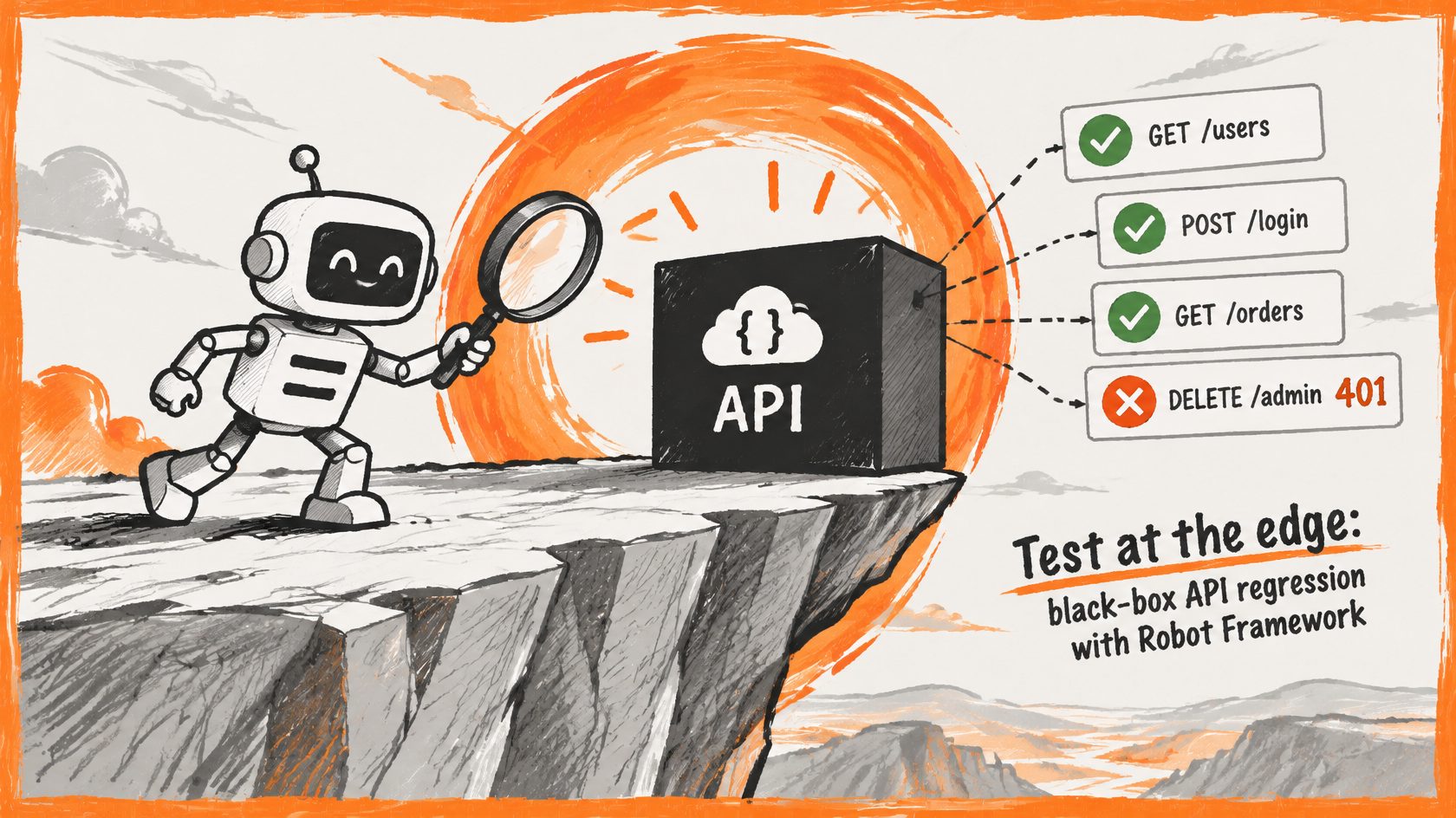
Test at the edge: black-box API regression with Robot Framework
Many integration test suites take shortcuts. To check a side effect, they read a database table, look into a message broker, or call a service on its internal port instead of through the gateway. That is convenient, but it tests something your customers never touch. The suite can be green while the API your customers actually call returns the wrong status code, or lets the wrong caller in.
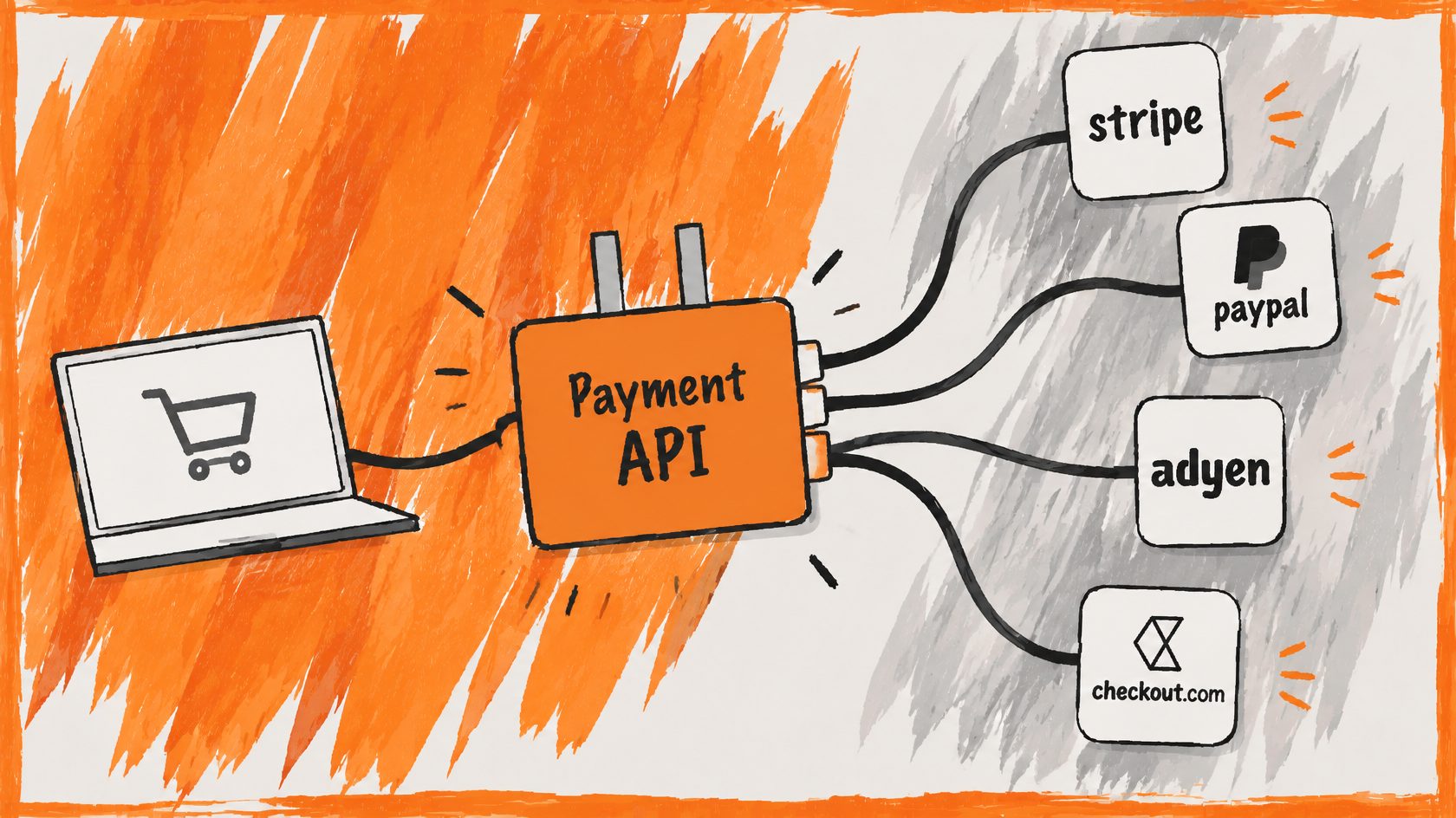
One payment API, many PSPs: designing a provider SPI
Almost every business that sells online ends up with more than one payment service provider (PSP): Stripe for cards in one market, PayPal because customers ask for it, a local provider for a specific country. If every new PSP means editing the payment core, the error handling and the tenant logic, each provider makes the next one harder, and the core slowly turns into a collection of special cases.
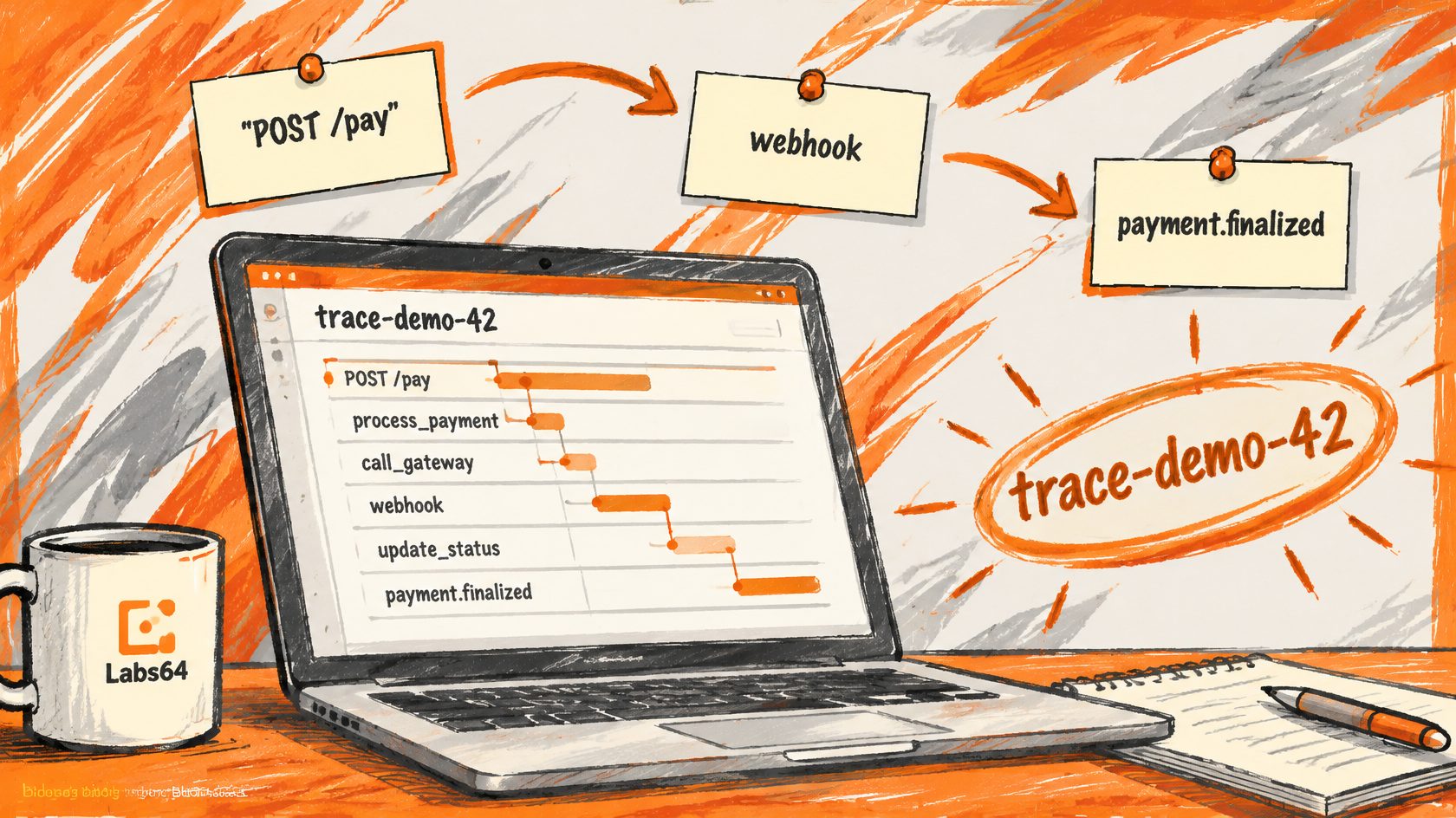
Tracing one payment: correlation IDs across APIs, webhooks and audit events
When a payment goes wrong, the first question from support is rarely “what broke?”. It is “where is this payment now, and what happened to it?”. Answering that means following one payment across several separate requests: the API call that created it, the call that paid it, and the webhook the payment provider sends minutes later. If each of those has its own ID in the logs, the story falls apart.

A dozen repositories, one command: the Labs64.IO workspace
Every platform team eventually has the “monorepo or multi-repo” debate. A monorepo gives you one checkout, one toolchain and atomic changes. Separate repositories give each module its own history, release cycle and access rules, which is what you want when modules are adopted and released independently. The price of separate repositories is paid by every new contributor on day one.
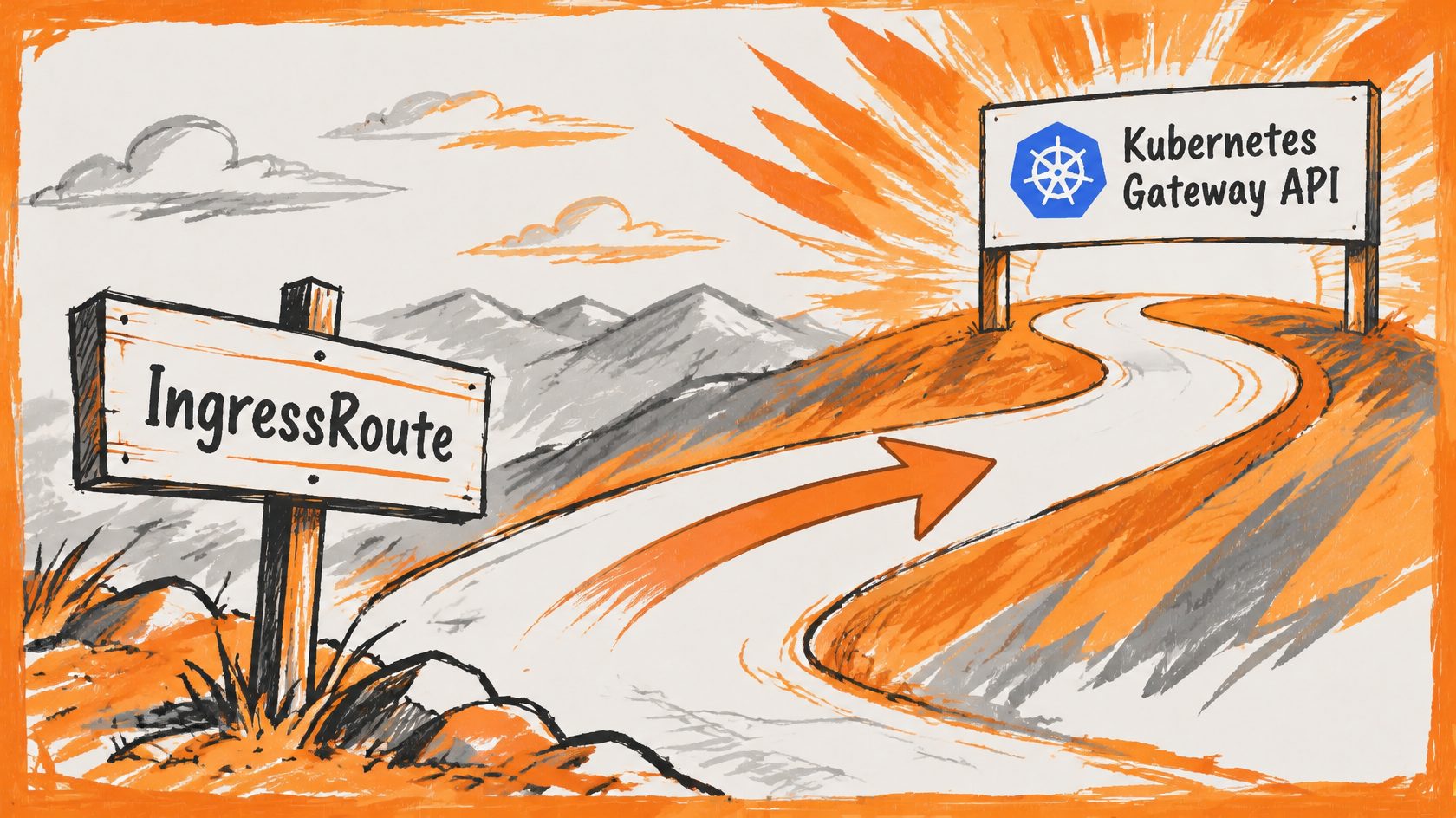
From Traefik IngressRoute to the Kubernetes Gateway API
For years, getting HTTP traffic into a Kubernetes cluster meant choosing an ingress controller and then writing its own YAML dialect. Every Helm chart that shipped such routing rules was tied to that one controller, and moving to another meant rewriting every chart.