Bounded waits beat fail-fast: stop dead-lettering under load

A load test against AuditFlow, the Labs64.IO audit pipeline, ended with 147 events in the dead-letter queue, although nothing in the pipeline was broken. For an audit trail that is the worst kind of failure: every component was healthy, and evidence was still lost.
This post explains the two concurrency mistakes behind it, both common in event-driven services, and the fixes. It is written for developers and operators of message-driven systems, especially those mixing Python async services and Java consumers.
After reading, you will know:
- how a blocking call inside a Python
async defendpoint serializes a whole service, - why “fail fast” is the wrong reaction for a queue consumer that is merely busy,
- how a bounded wait plus a deferral keeps events out of the dead-letter queue,
- which settings control this in AuditFlow.
Background: how AuditFlow delivers events
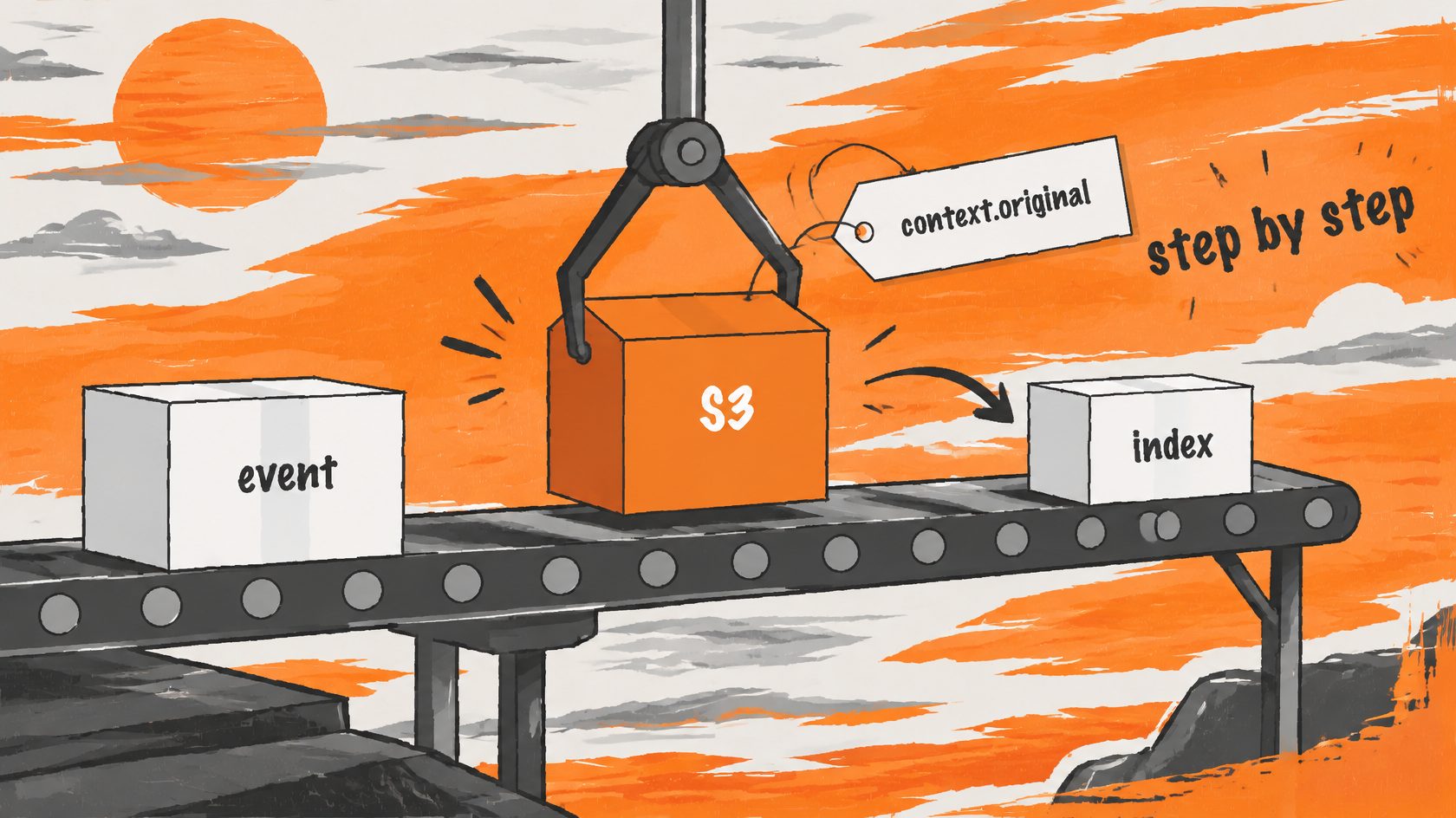
AuditFlow has three services. A Java backend consumes events from the message broker, calls a Python transformer service to reshape each event, and a Python sink service to write it to its destination (S3, webhooks, databases, log platforms). A delivery that fails is retried later; one that keeps failing, or is rejected too often, ends in the tenant’s dead-letter queue (DLQ).
The problem: two ways to look broken while healthy
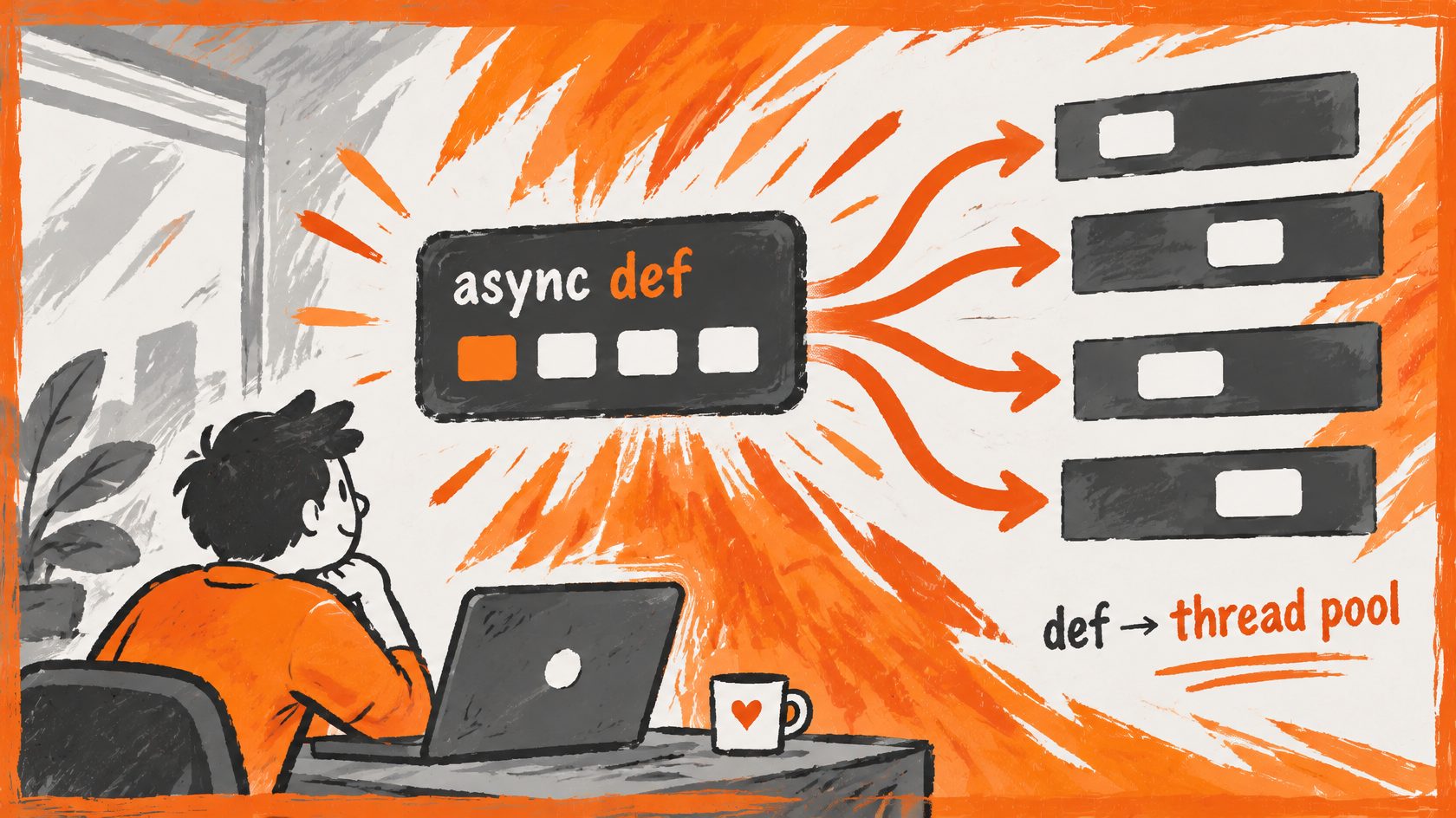
1. A blocking call on the event loop. The sink endpoint was declared async def, so every request on a pod shared one event loop. The sinks do blocking I/O (S3, HTTP, JDBC) and the endpoint called them directly. While one sink waited on the network, the pod could not serve any other event. The S3 sink also built a new client for every event; on EKS that re-resolves credentials with an STS AssumeRoleWithWebIdentity call, which costs more than the upload itself.
2. A per-tenant limit that failed fast. AuditFlow caps how many deliveries one tenant may have in flight per pod, so one busy tenant cannot take all the threads. The first version rejected immediately when the cap was reached. The rejection made the broker redeliver the event, and every redelivery counted toward the dead-letter threshold. Within seconds, events over the cap had used up their attempts and were dead-lettered, although the tenant’s own work was about to finish.
The solution in two parts
Part 1: move blocking work off the event loop
The fix in auditflow-sink/sink.py is one line:
# Sinks do blocking I/O (S3, HTTP, JDBC). Run them in the thread pool: called directly from
# this coroutine they would block the event loop and serialize every event on the pod.
result = await run_in_threadpool(process_function, event_data, properties)
run_in_threadpool (from Starlette) runs the blocking call on a worker thread, so the loop keeps serving other events. The S3 sink now also keeps one client per (region, credentials, endpoint), capped at 64, behind a lock:
_CLIENTS = {}
_CLIENTS_LOCK = threading.Lock()
_MAX_CLIENTS = 64
Part 2: wait a bounded time, then defer without penalty
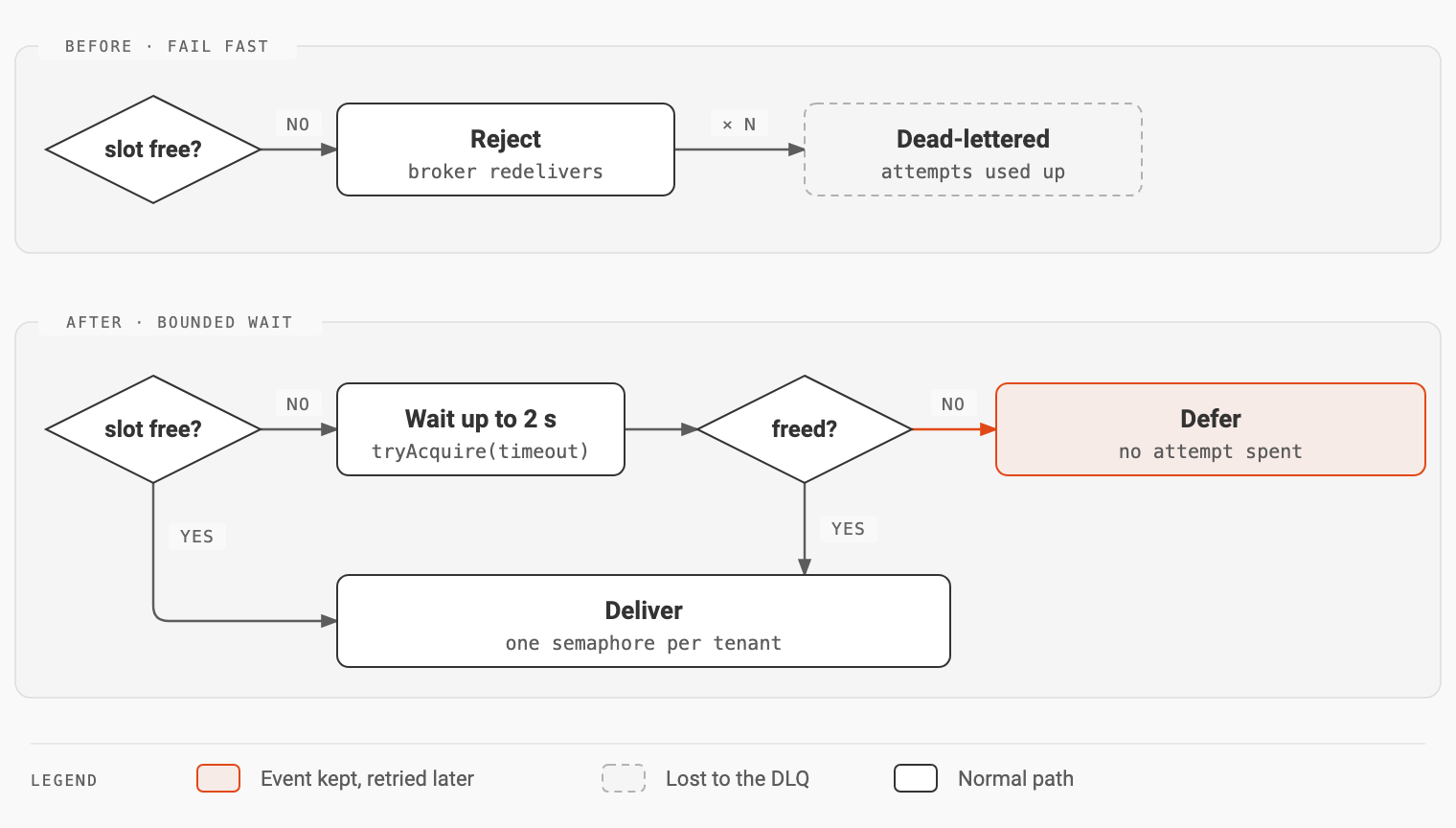
The per-tenant limiter now waits for a free slot, but only for a limited time:
public boolean tryAcquire(String tenantId) {
    Semaphore semaphore = permits.computeIfAbsent(tenantId, k -> new Semaphore(maxInFlight));
    if (semaphore.tryAcquire()) {
        return true;
    }
    if (maxWaitMillis == 0) {
        return false;
    }
    try {
        return semaphore.tryAcquire(maxWaitMillis, TimeUnit.MILLISECONDS);
    } catch (InterruptedException e) {
        Thread.currentThread().interrupt();
        return false;
    }
}
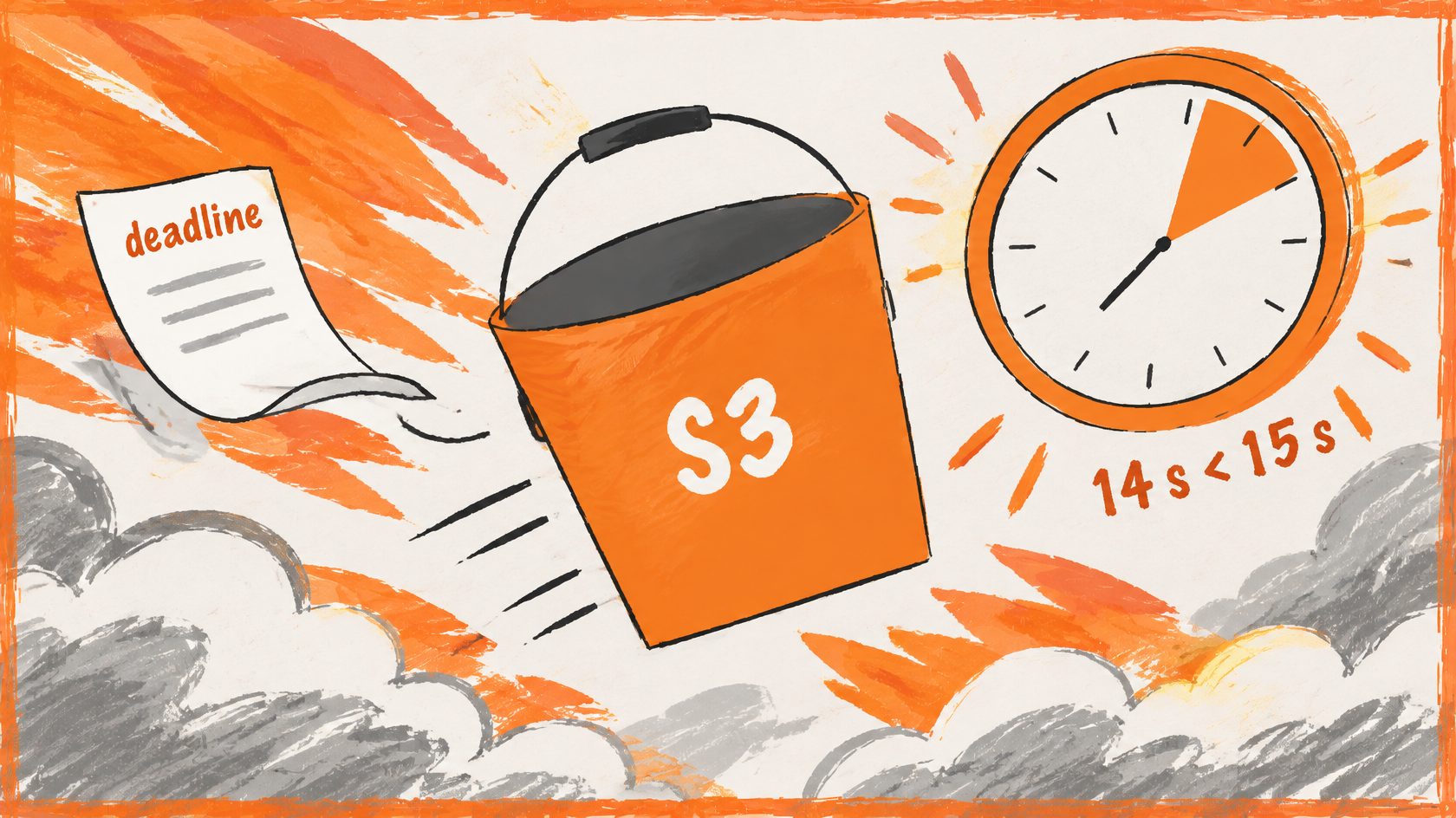
Each tenant has its own semaphore, so waiting for one tenant never blocks another. If no slot frees up in time, the delivery is deferred: parked for the shortest retry delay without spending a delivery attempt. The settings, with their defaults from application.yml:
tenants:
  consumer:
    max-in-flight-per-tenant: 32
    max-wait-millis: 2000
The consumer thread count is set with AUDITFLOW_CONSUMER_CONCURRENCY (default 8). The delivery model docs explain how deferrals and retry tiers fit together.
The outcome
| Before | After | |
|---|---|---|
| One slow sink call | blocks every event on the pod | blocks one worker thread |
| S3 client per event | new client, STS call each time | cached per configuration |
| Tenant over its in-flight cap | rejected, redelivered, attempt spent | waits up to 2 s, then deferred, no attempt spent |
| Result under load | healthy events dead-lettered | system slows down, nothing is lost |
The original fix used 4 as the per-tenant cap; it is 32 today after the delivery model was reworked. The wait-then-defer behaviour is what stayed.
Trade-offs
- Waiting holds a consumer thread for up to two seconds. That is why the wait is bounded and the cap is per tenant.
- Deferral delays delivery. Under sustained overload, events arrive later instead of failing, which is the right trade for audit data but should show up in monitoring.
Apply it to your own consumers
- Search every
async defendpoint for direct blocking calls, including client constructors that touch the network. - Reuse expensive clients instead of creating them per request.
- When a consumer is merely busy, wait a bounded time instead of rejecting.
- If the wait fails, defer without counting an attempt; reserve the dead-letter queue for real failures.
Key takeaways
- One blocking call can serialize an async service. Blocking I/O belongs on a thread, not on the event loop.
- Client construction can be network I/O, especially with cloud credentials; cache clients.
- Fail-fast is the wrong default when rejection triggers redelivery, because redeliveries use up the attempts meant for real failures.
- Bounded wait, then defer: give pressure a moment to clear, then step aside without penalty.
- Under load, slower is better than lossy, especially for an audit trail.
The code is in labs64.io-auditflow: TenantConcurrencyLimiter.java in auditflow-be and sink.py in auditflow-sink. The same blocking-call problem in a FastAPI gateway is described in Why sync def keeps FastAPI health checks alive.
Image Credits: Labs64.IO
Related Posts